-
In 2023, poets from around 40 countries met at a slum in Rio de Janeiro, to compete for the World Poetry Slam Championship. Among those watching and judging was actor, poet, and musician Saul Williams.
-
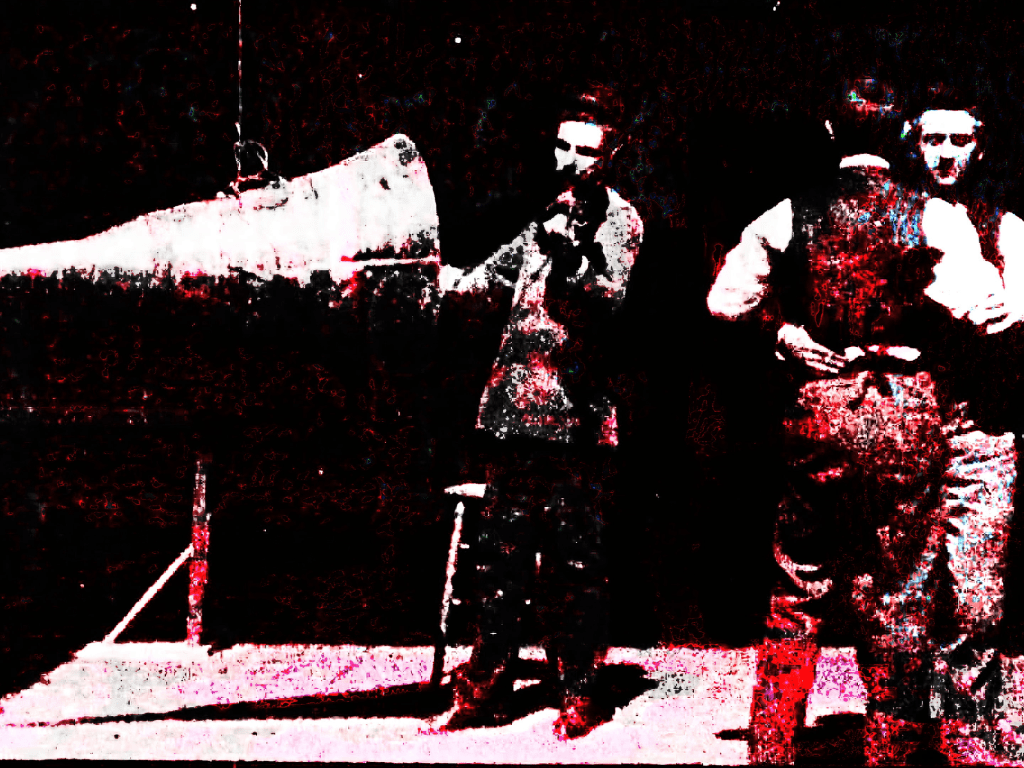
Departing from a poem by Uruguayan writer Enrique Fierro, this experimental work revisits the beginnings of cinema through Thomas Edison’s films, which now receive a soundtrack composed in the rhythm of contemporary electronic music.
-
Ricardo Aleixo is a poet and intermedia performer from Brazil. The film follows the artist in the cities of Boston, Rio de Janeiro, and Belo Horizonte, where he vocalizes his poems, interacts with the environment, and talks about his creative process and his condition of marginality, blackness, and monocular vision.
-
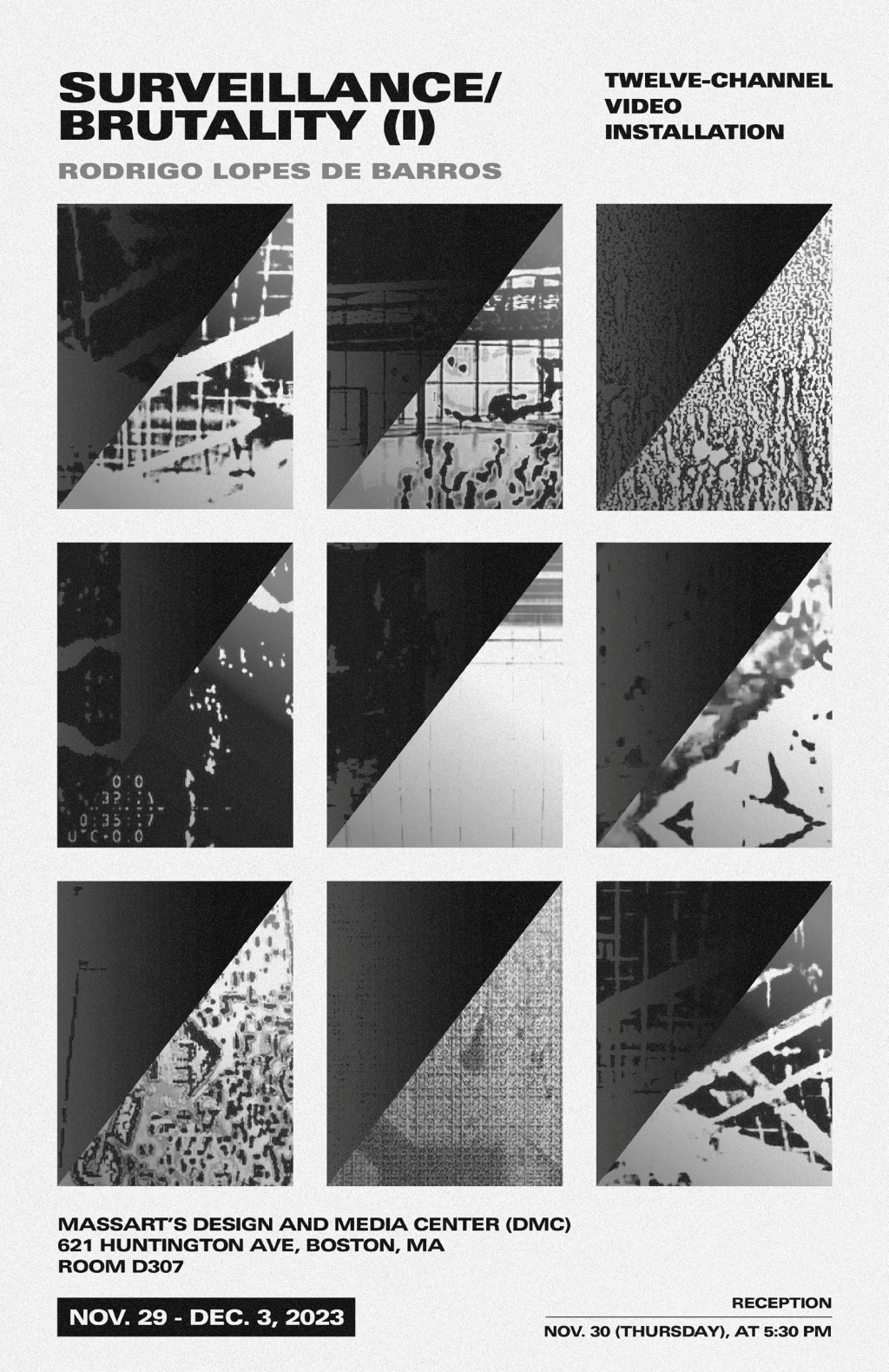
What is the relationship between architecture, art, politics, and surveillance? Were modernist aesthetics appropriated by the state apparatus, especially its branch related to the monitoring of people and institutions?
-
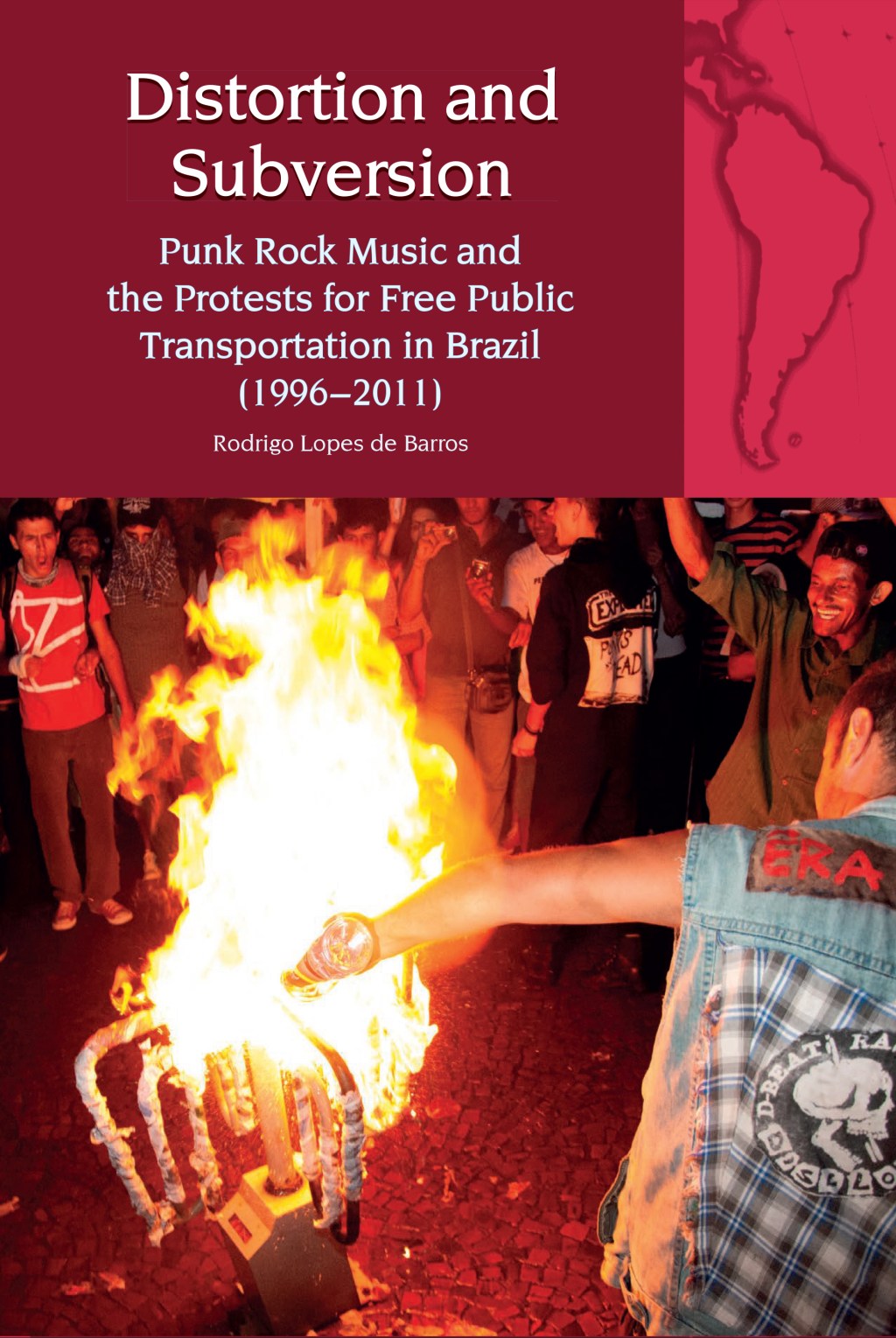
At the turn of the 21st century, the Brazilian punk and hardcore music scene joined forces with political militants to foster a new social movement that demanded the universal right to free public transportation.
-
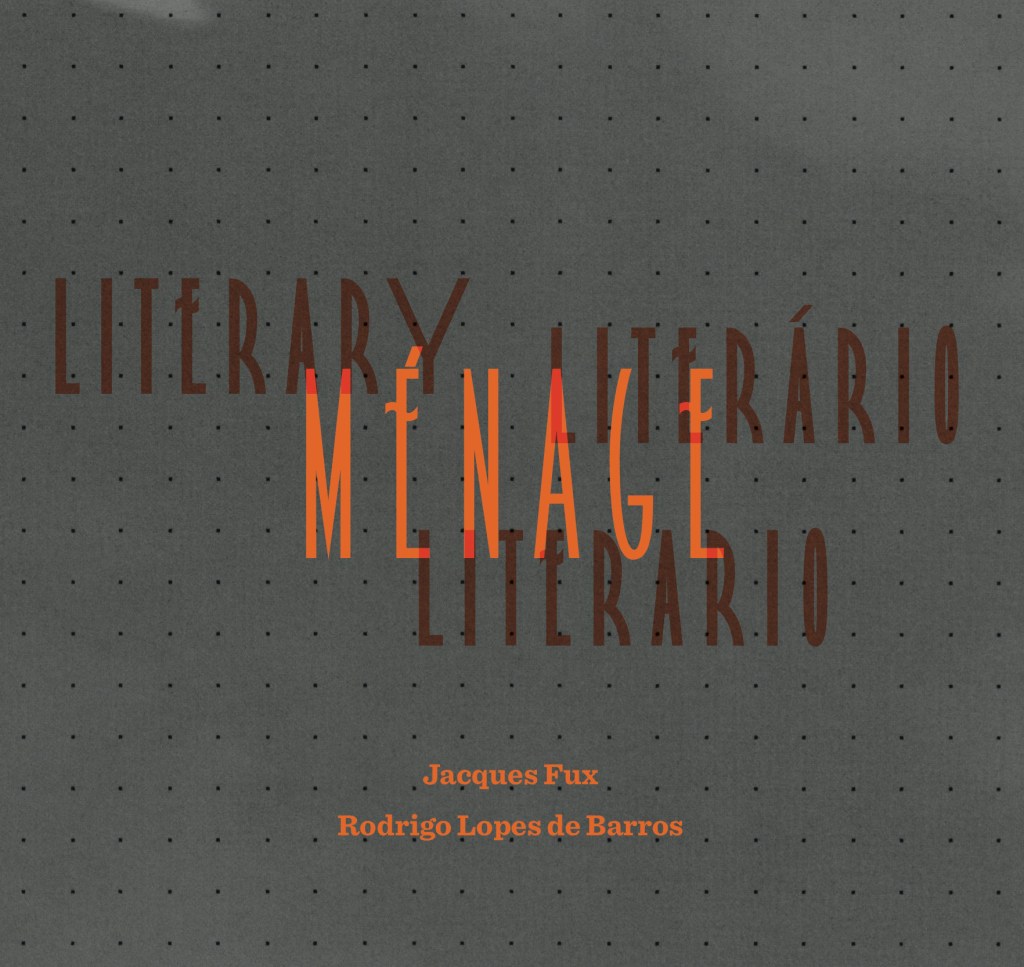
Trilingual edition of an essay on Brazilian writer Jacques Fux together with a DVD of the film Literary Ménage and a short story by Fux.
-
A “long” short story published in the Brazilian literary magazine Revista Desenredos about M. Peixoto e S. Eisenstein. In Portuguese.
-
A woman eating churros. A banal scene if it were not captured by the voyeuristic gaze of a writer (Jacques Fux), who sees it as a “religious experience.” But the writer does not glimpse that “spectacle” alone. He invites his canon to interpret the gestures of that “Good morning muse.”
-
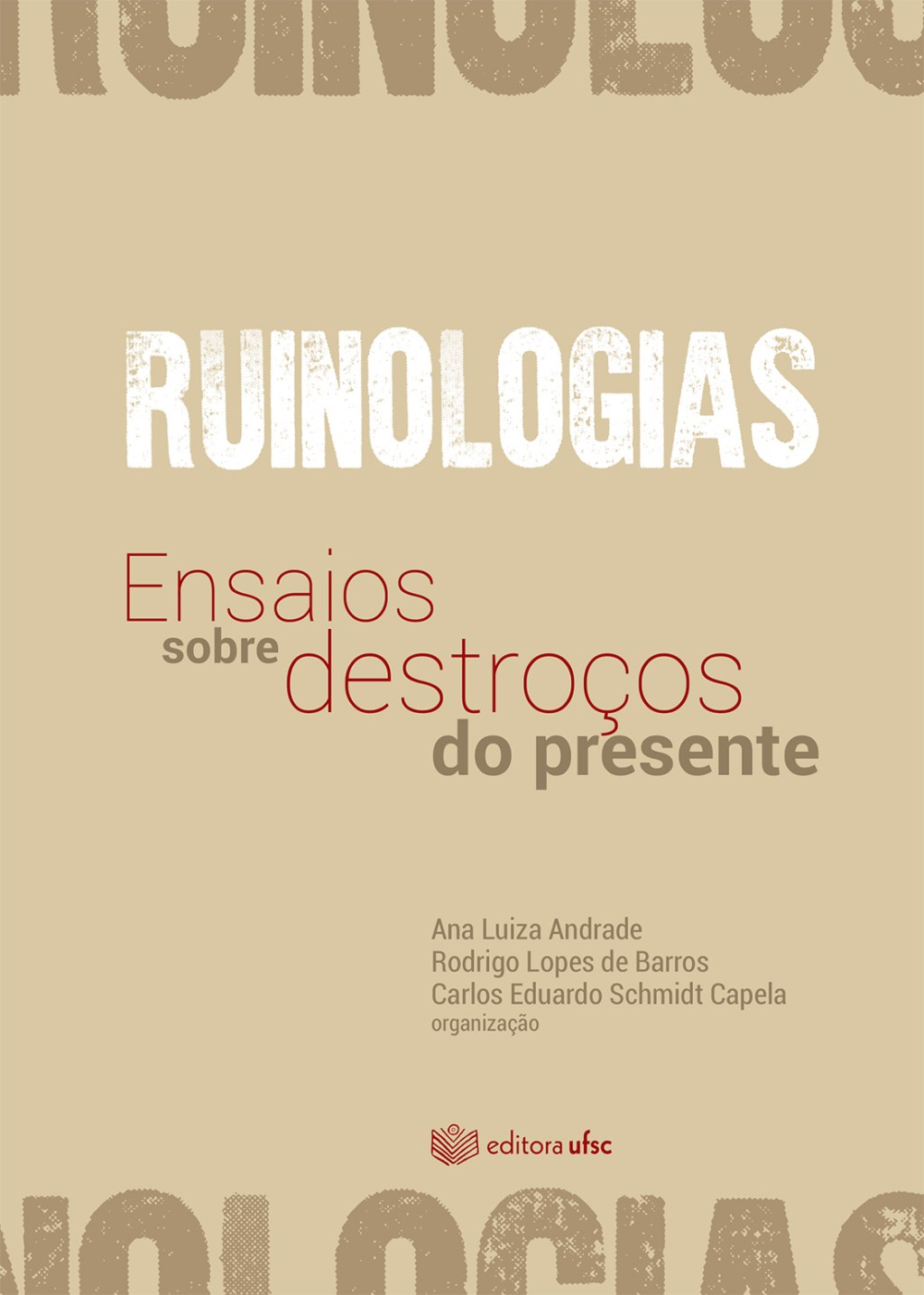
This book is comprised of essays that, through architectures and architextures (texts, images, films, sculptures, and installations), update a wide discussion in which the melancholy of finding in the present the debris of the past is one of its main themes.
-
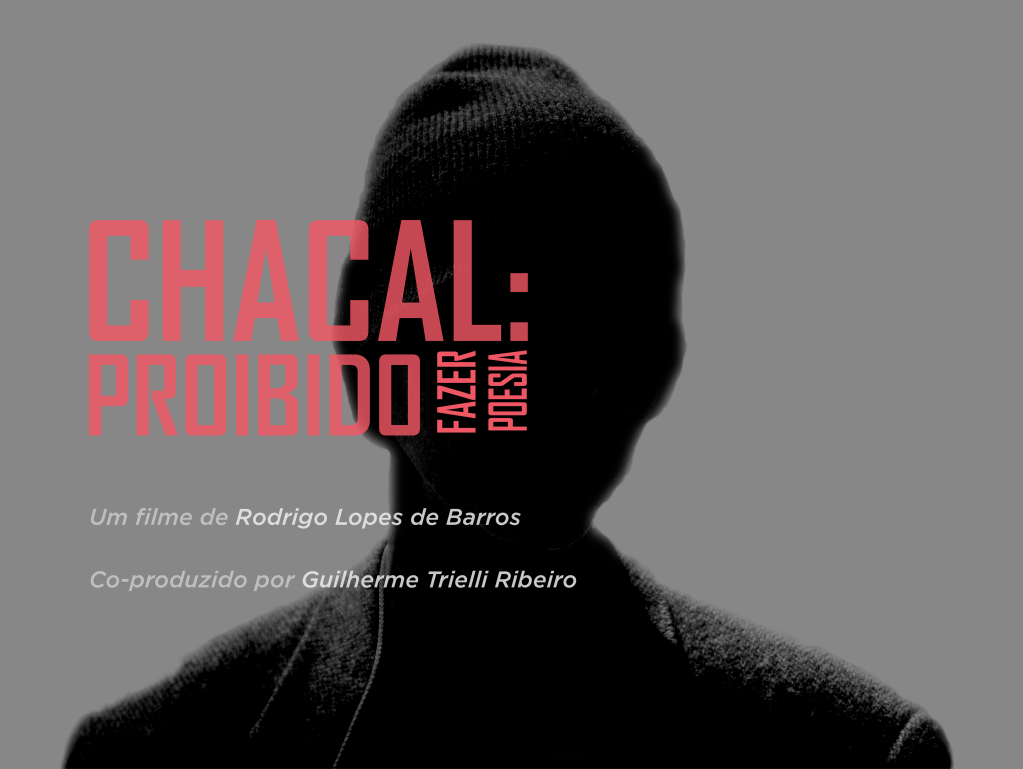
After decades of feeling overlooked by the literary establishment, the Brazilian poet Chacal was invited by Harvard to present his art as a poet and performer. He engages in an autobiographical critique, providing a singular interpretation of Brazilian culture, from the 1960s to today.
-
“O Corpo” is a film that tells the story of two men having to deal with a dead body and concomitantly with their own bodies and their vivid significations.
-
Written when the author was in his early twenties and published a few years later as a book, “A Carne do Metrô” compiles some of Lopes de Barros’ first explorations in art and literature. It is a work full of social criticism combined with profound disillusionment.




-
Subscribe
Subscribed
Already have a WordPress.com account? Log in now.
 Rodrigo Lopes de Barros