Twelve-Channel Video Installation
Rodrigo Lopes de Barros
Synopsis
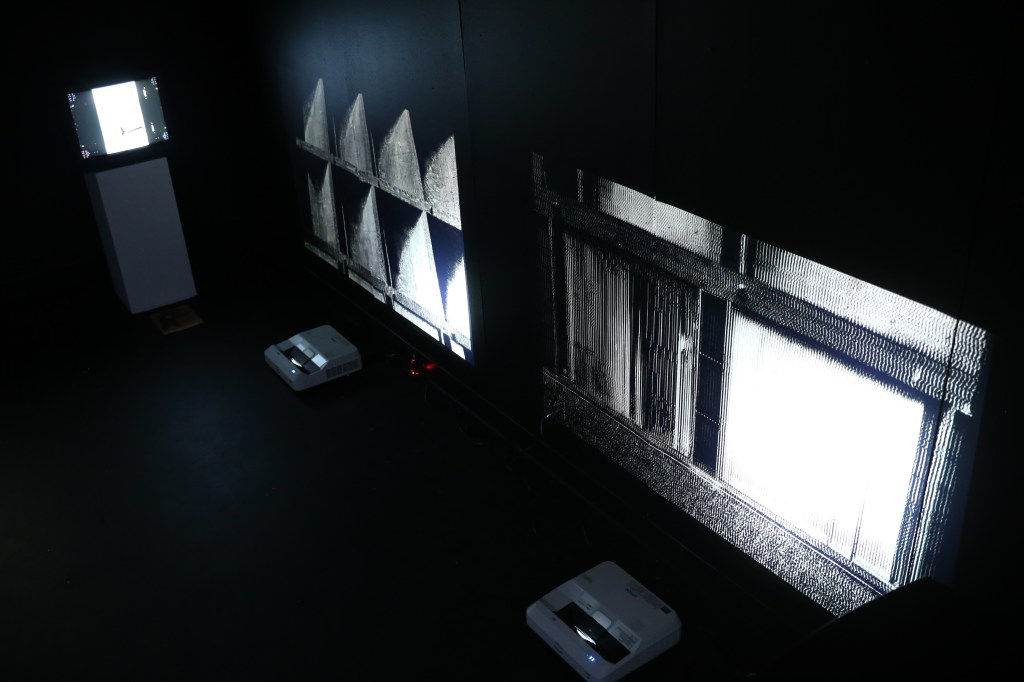
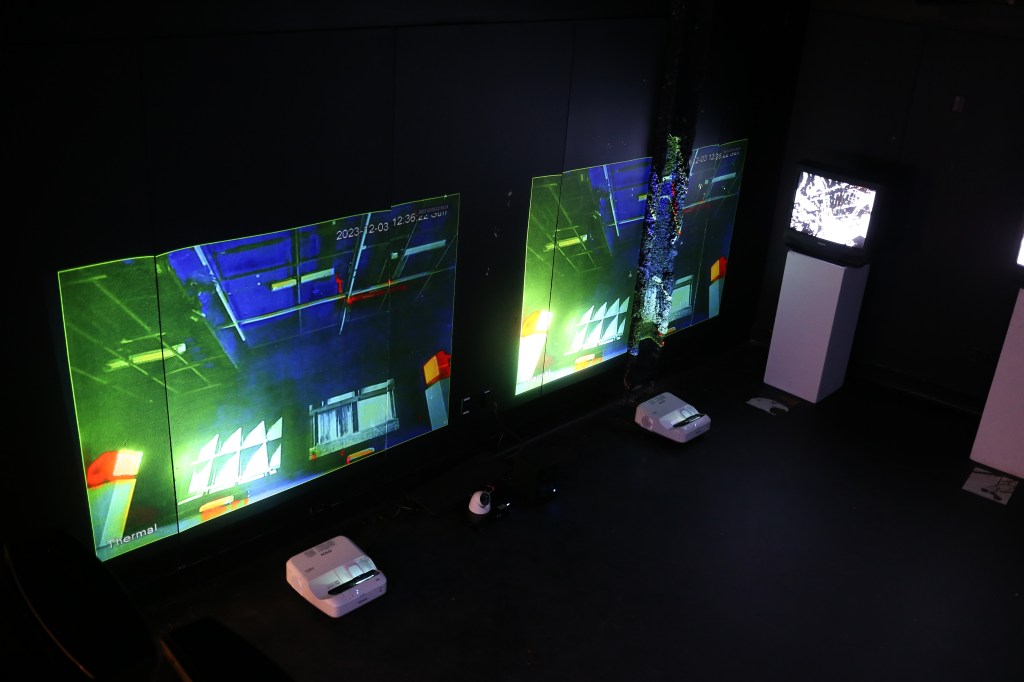
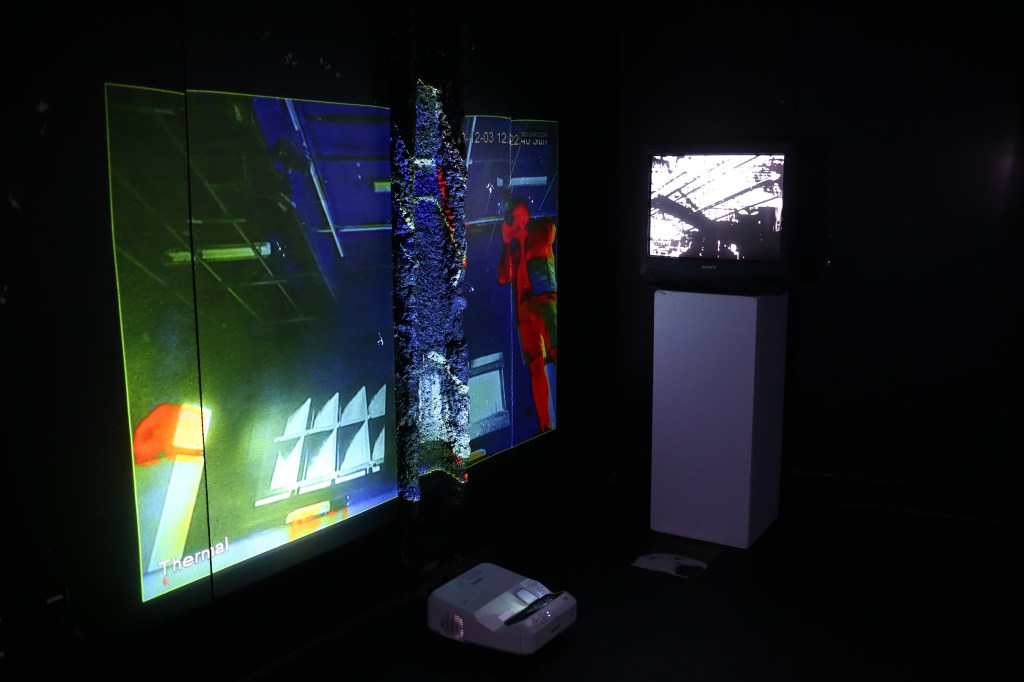
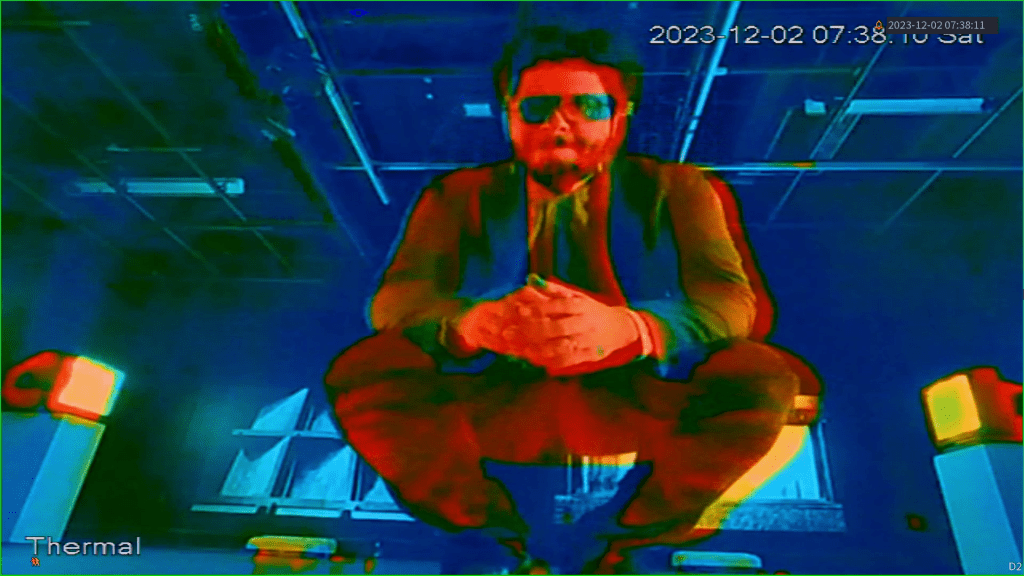
What is the relationship between architecture, art, politics, and surveillance? Were modernist aesthetics appropriated by the state apparatus, especially its branch related to the monitoring of people and institutions? Rodrigo Lopes de Barros seeks to investigate these questions in this installation, using as raw materials photos of a seminal brutalist building (the 1963 Carpenter Center for the Visual Arts at Harvard University, Le Corbusier’s only building in the US), aerial surveillance footage from Black Lives Matter demonstrations, the projection of thermal images of the installation’s visitors, and historical security posters.
Surveillance/Brutality (I) – 360-degree Horizontal Pan Video of the Installation Running (2023) – 5-minute excerpt (Alternative Youtube Link)
Composite of the Twelve Channels + Posters
Surveillance/Brutality (I) – Composite of the Twelve-Channel Video Installation – 10-minute excerpt (Alternative Youtube Link)
Channels
—
Surveillance/Brutality (I) – Video for Projector #2 – 10-minute excerpt (Alternative Youtube Link)
—
—
Surveillance/Brutality (I) – Video for CRT TV #2 – 10-minute excerpt (Alternative Youtube Link)
—
Surveillance/Brutality (I) – Video for CRT TV #3 – 10-minute excerpt (Alternative Youtube Link)
—
Surveillance/Brutality (I) – Video for CRT TV #4 – 10-minute excerpt (Alternative Youtube Link)
—
Surveillance/Brutality (I) – Video for CRT TV #5 – 10-minute excerpt (Alternative Youtube Link)
—
Surveillance/Brutality (I) – Video for CRT TV #6 – 10-minute excerpt (Alternative Youtube Link)
—
Surveillance/Brutality (I) – Video for CRT TV #7 – 10-minute excerpt (Alternative Youtube Link)
—
Surveillance/Brutality (I) – Video for CRT TV #8 – 10-minute excerpt (Alternative Youtube Link)
—
Mockup & Equipement
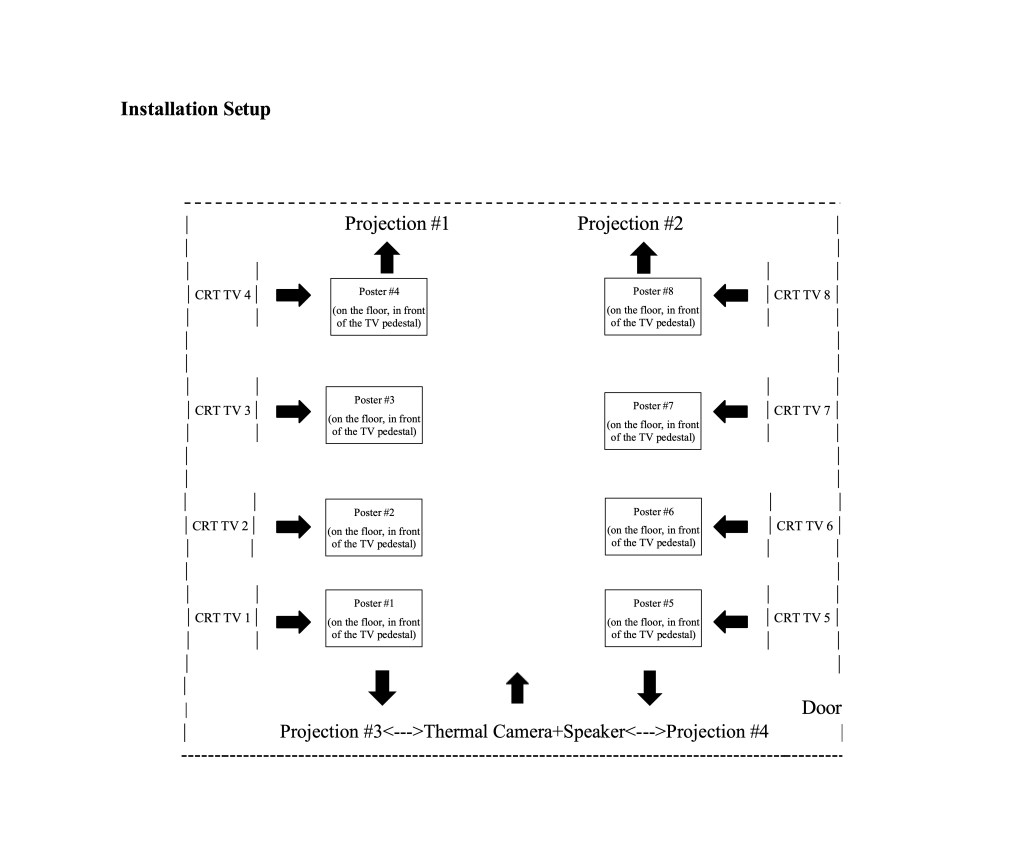
Equipment Needed
– 4 HD Projectors with Sound Output (Ultra Short Throw) (to be placed on the floor close to the walls).
– 2 Blu-ray or HD Media Players (for Projectors #1 & #2)
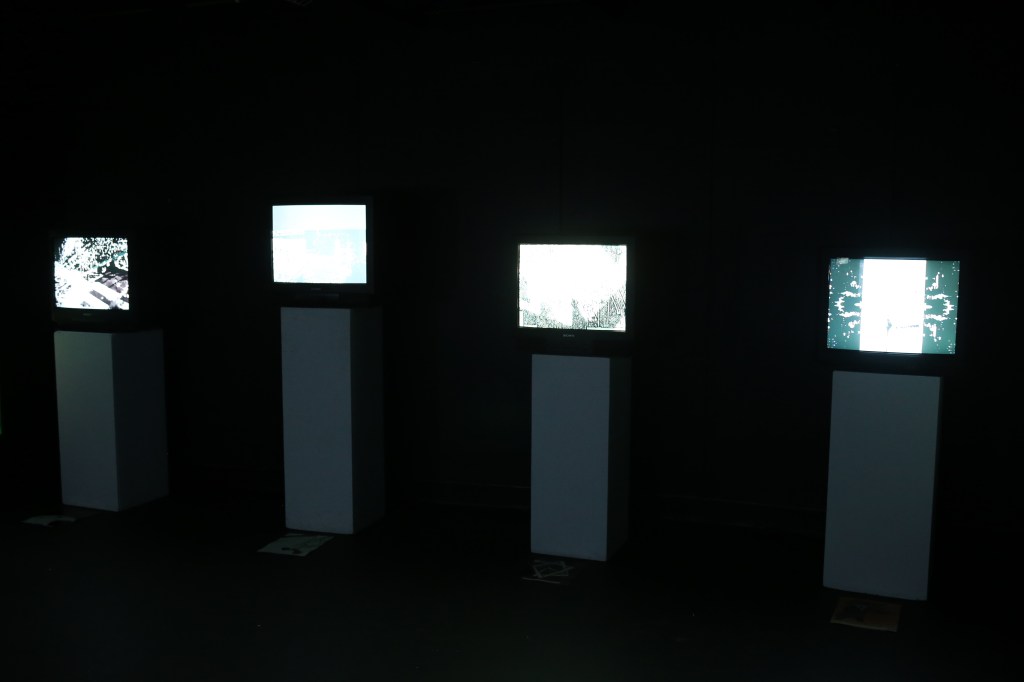
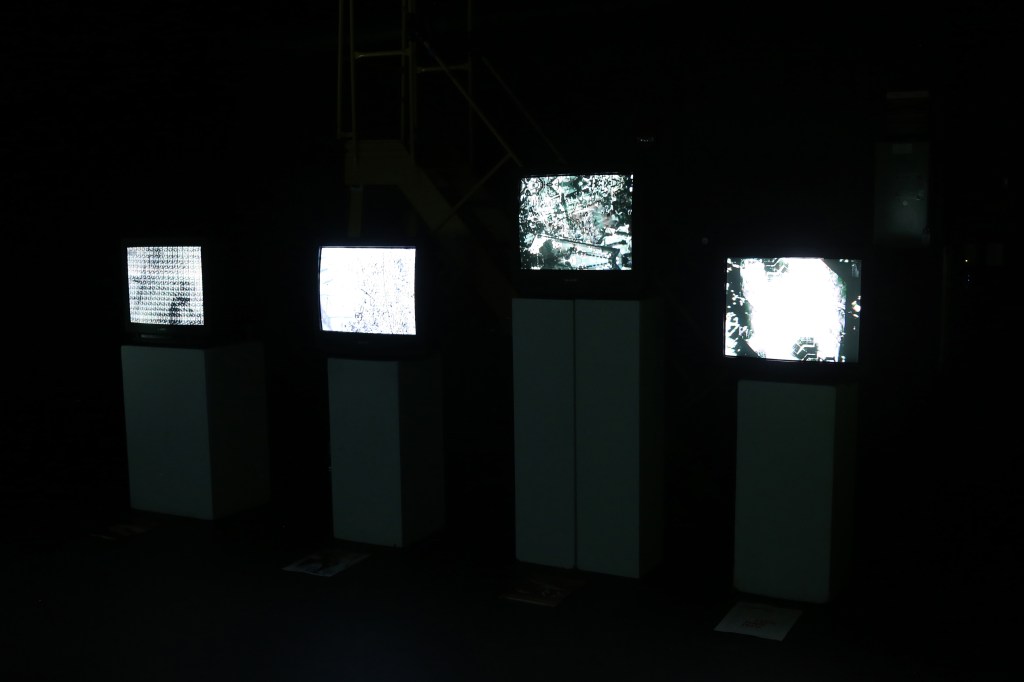
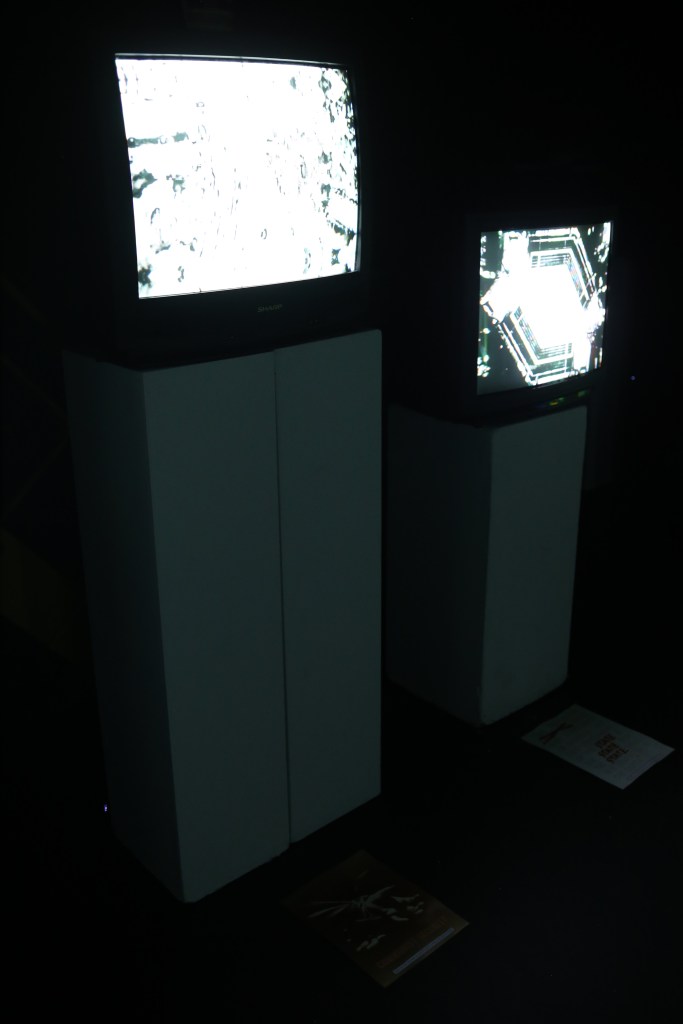
– 8 CRT TVs with Sound Output – 27-inch screen
– 9 DVD or SD Media Players with Analog Output (one for each CRT TV and one to provide the soundscape for Projection #3 & #4)
– 8 TV Stands (they can be gallery display pedestals)
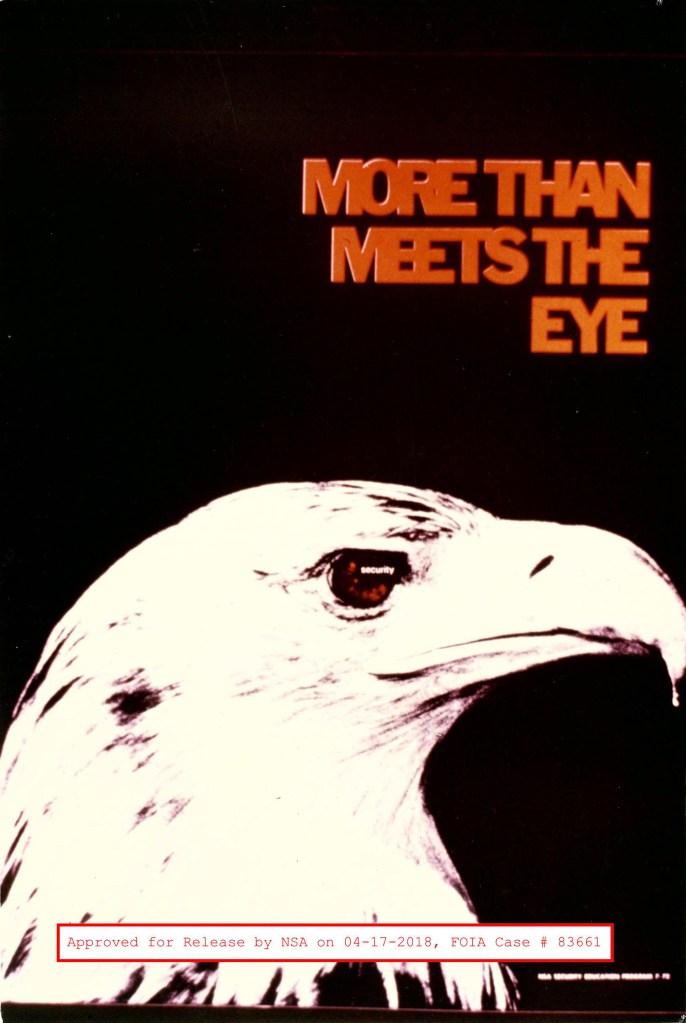
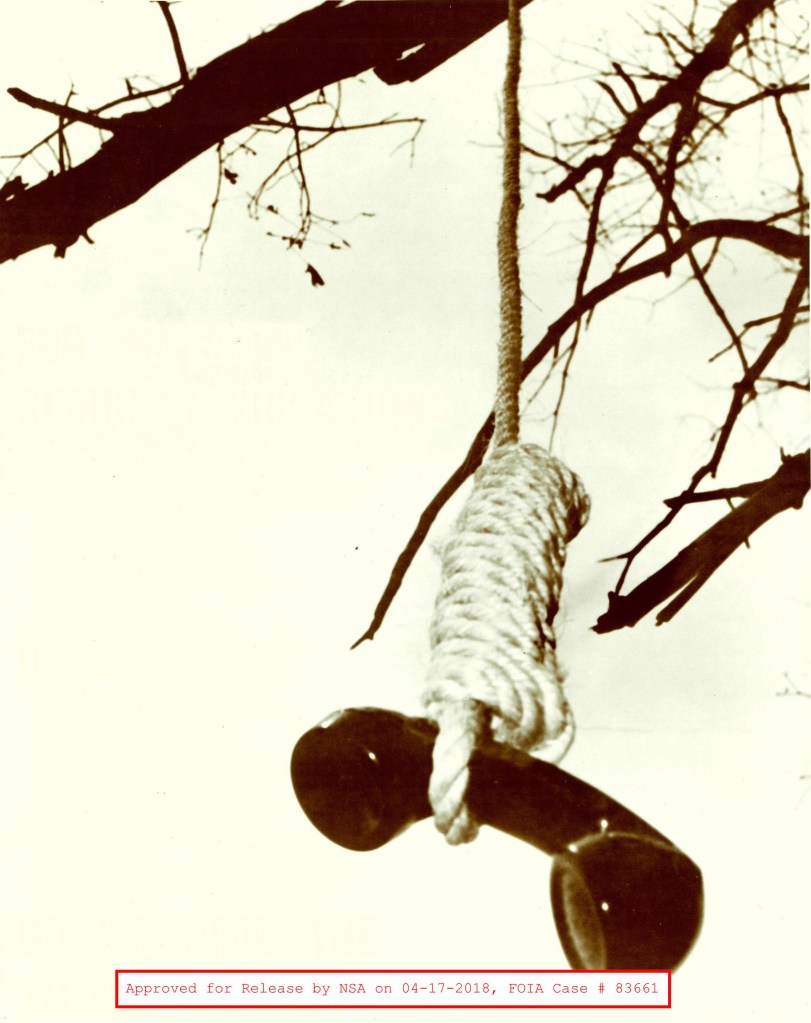
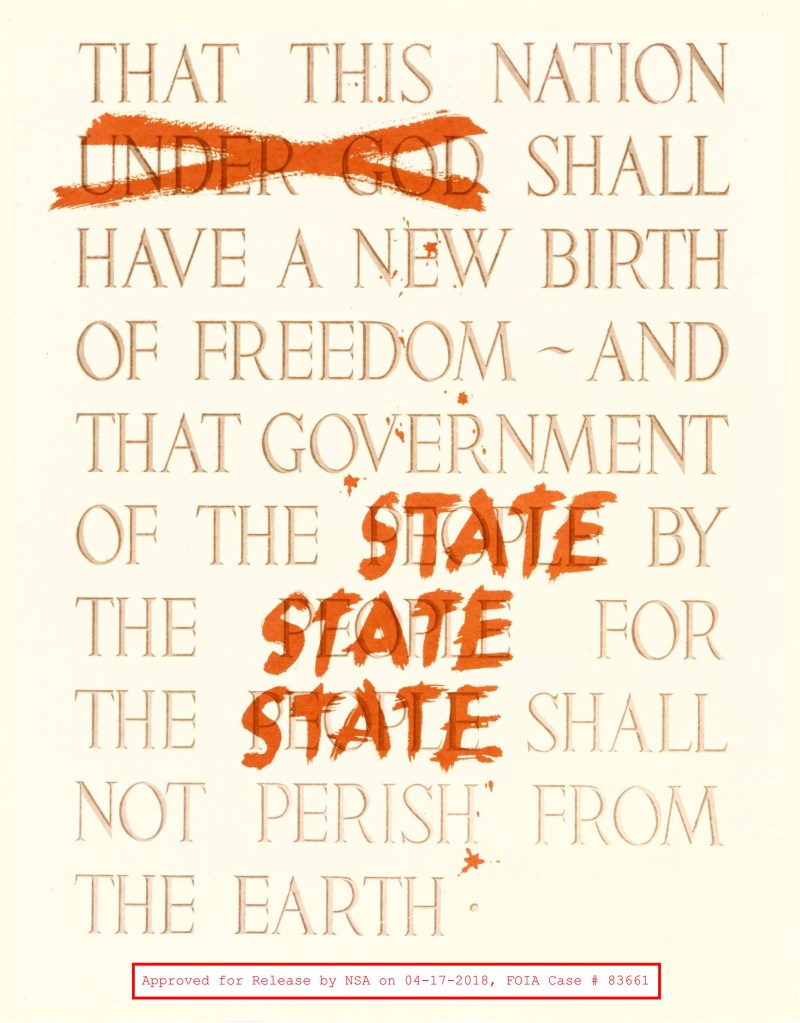
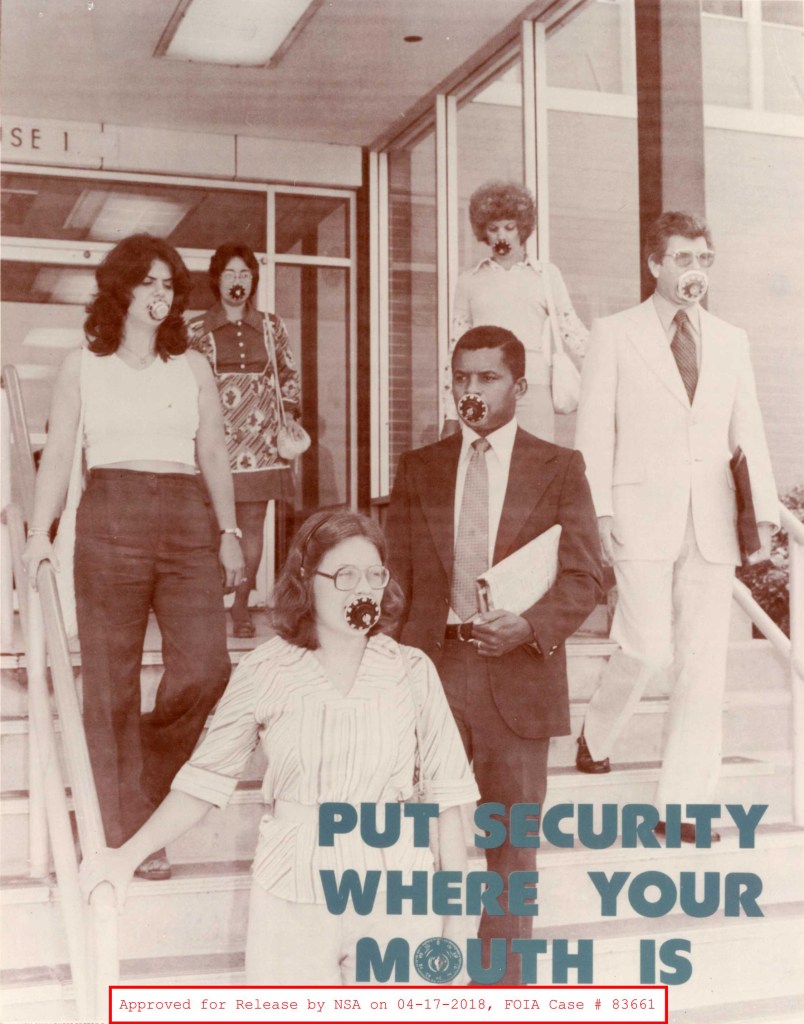
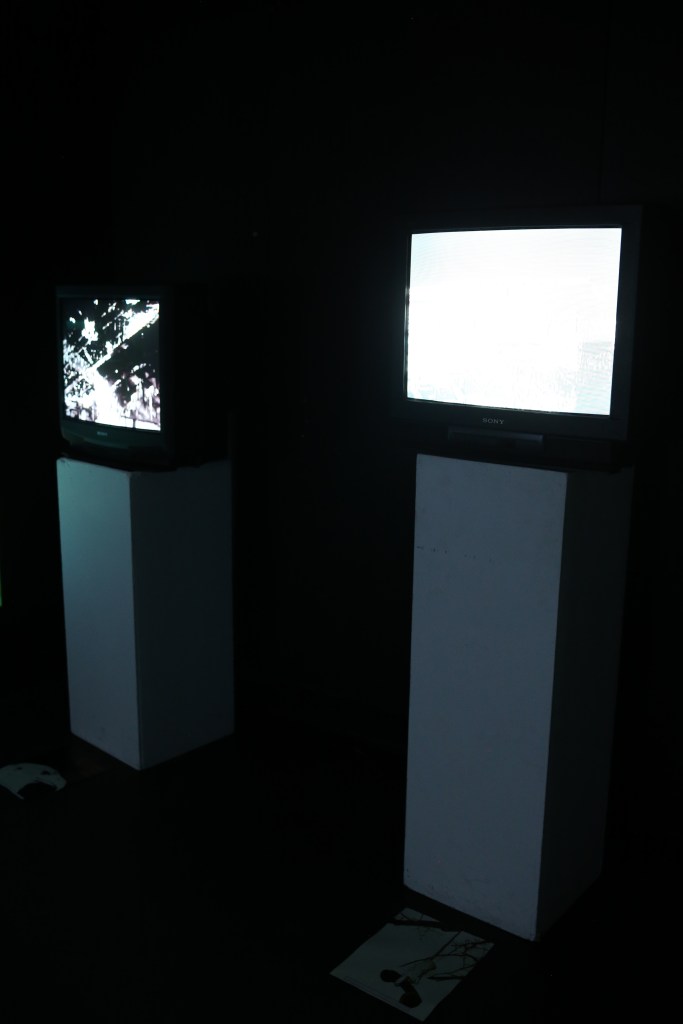
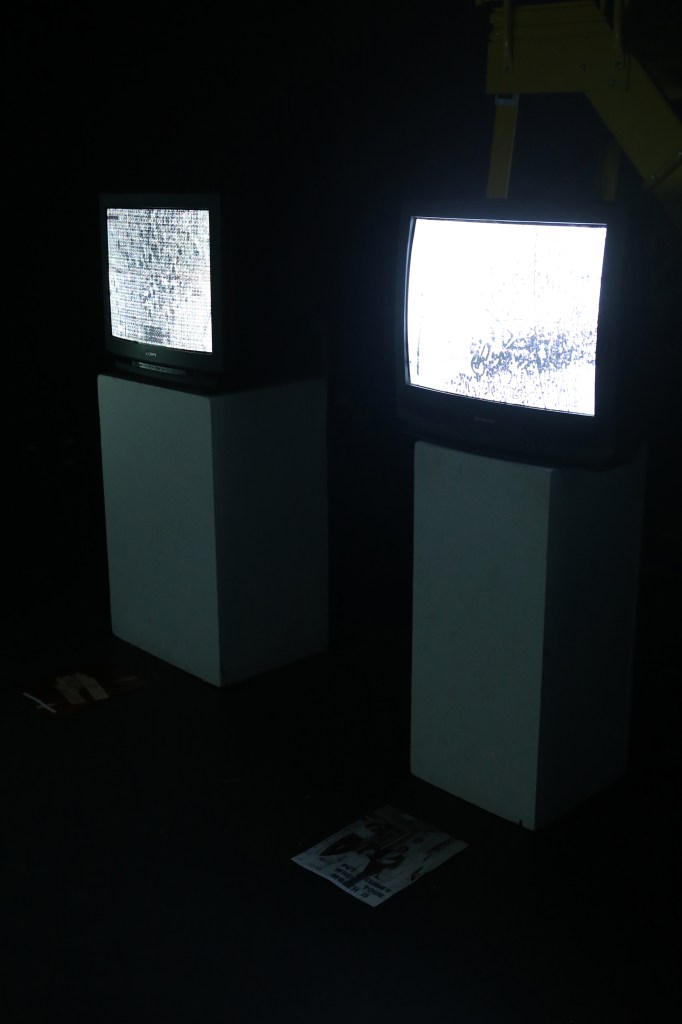
– 8 Printed NSA Security Posters from the 1950s to 1970s (to be placed on the floor in front of each TV pedestal)
– 1 Thermal Camera with 2 HDMI OUTPUTS or 2 VGA OUTS (or a mix of both) (to be connected simultaneously to Projectors #3 & #4) (a security thermal camera may need first to be connected at a NVR [Network Video Recorder] for providing the HDMI/VGA outputs)
– 1 Speaker Connected to a DVD Player for the Soundscape Coming from the Wall Closer Projectors #3 & #4 (as the built-in speakers of these projectors can be unavailable due to the thermal camera video feed).
NSA Security Posters




Full Wall Text
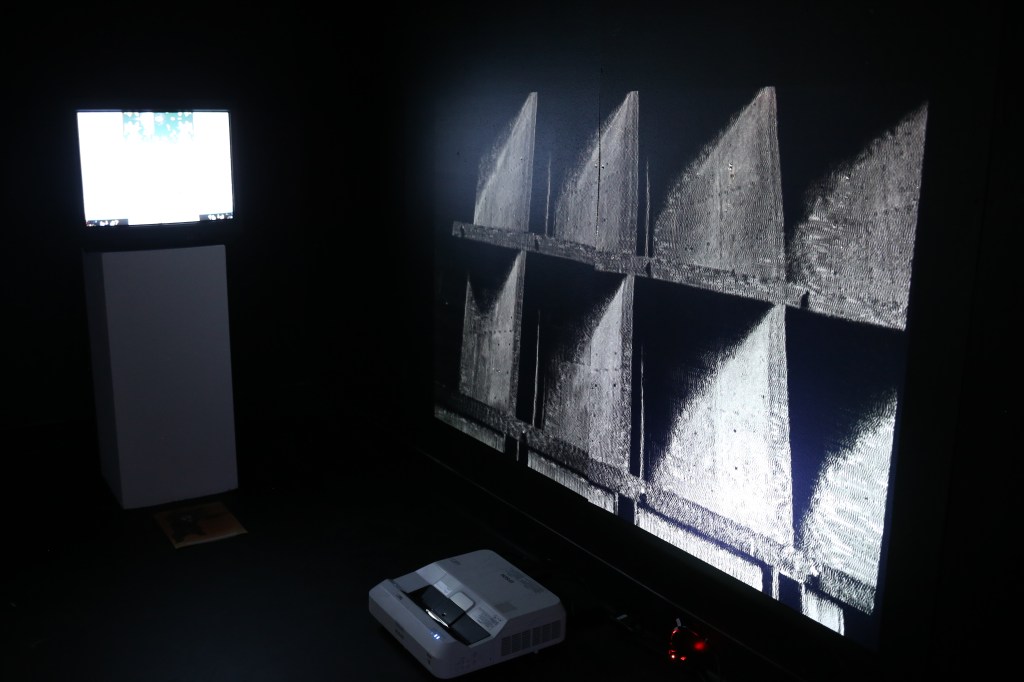
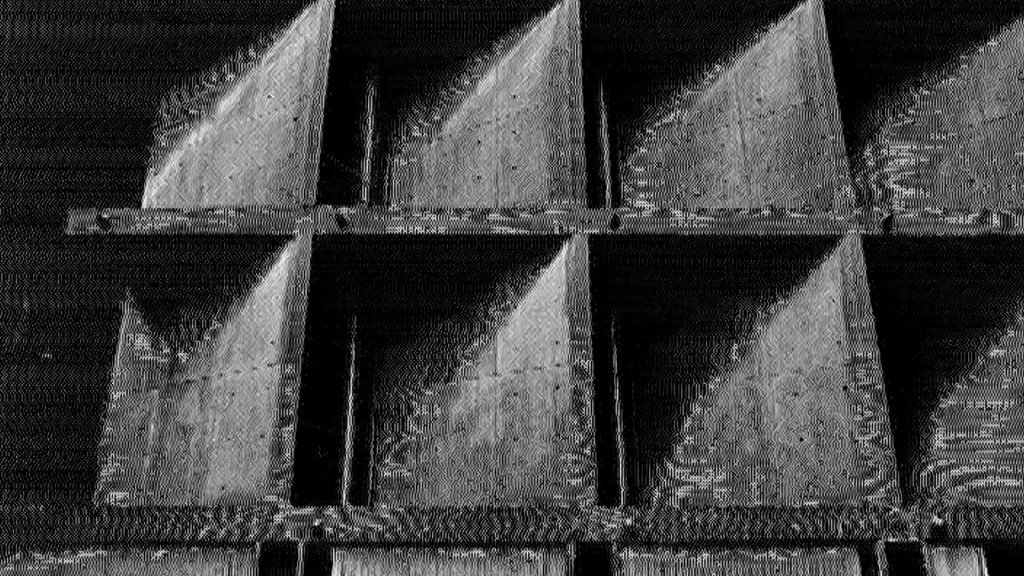
What is the relationship between architecture, art, politics, and state surveillance? In order to investigate this question, filmmaker Rodrigo Lopes de Barros departed from a series of photographs created by Rashid Billimoria that focused on Le Corbusier’s only building in the US, the 1963 Carpenter Center for the Visual Arts (CCVA) at Harvard University. Lopes de Barros selected ten photos in total: two photos of the façade and eight photos from the inside of the building. The CCVA building is a symbol of brutalist architecture in the US with its structure eliciting visceral reactions from those who have experienced it.
This architectural style, which originated from modernist values, was later appropriated and became associated with state surveillance owing to its presence in the Eastern Bloc. However, in the US, this association can be traced as well. The headquarters of the Federal Bureau of Investigation (FBI) in Washington D.C., known as the J. Edgar Hoover Building (1974), also possesses a brutalist aesthetic. In 2016, it was revealed that the National Security Agency (NSA) used the 1974 AT&T Long Lines Building (33 Thomas Street) in New York City, designed by John Carl Warnecke, to host a contemporary center for the surveillance of foreign states—that site was internally named TITANPOINTE by the NSA.
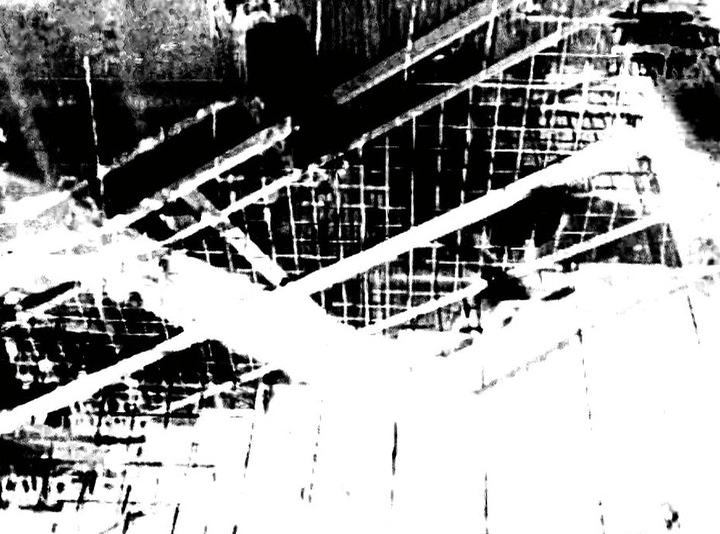
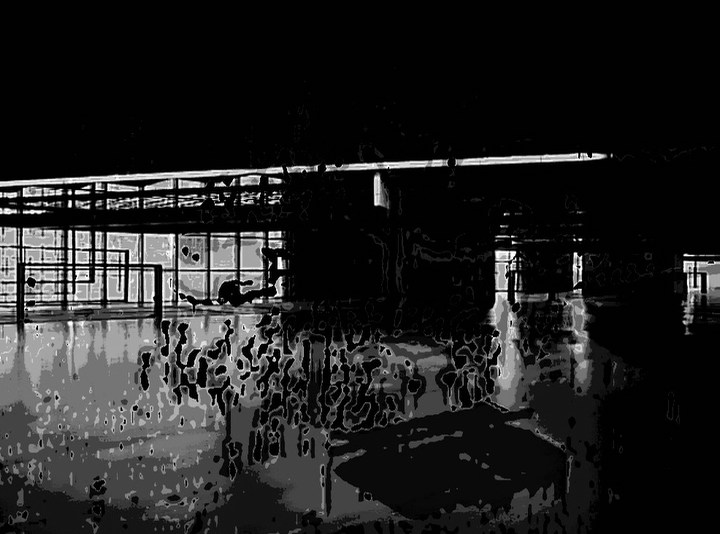
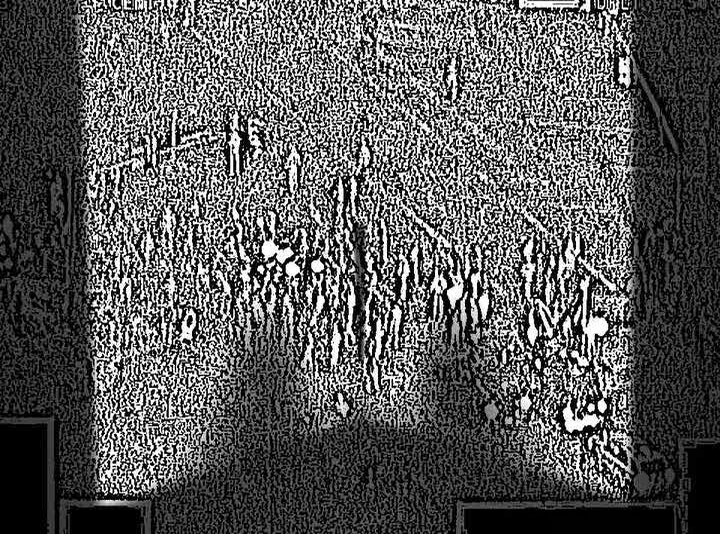
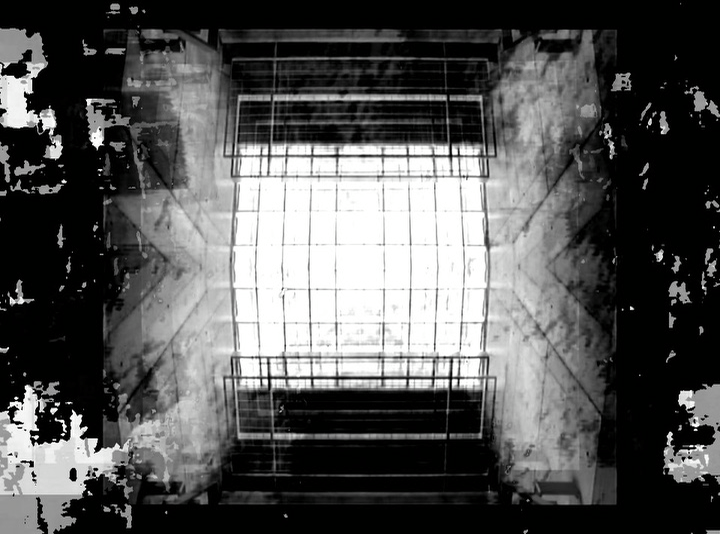
Lopes de Barros processed, in his video synthesizers, the eight photos taken from the inside of the Carpenter Center for the Visual Arts in order to distort and animate them, also adding soundtrack, generating two-hour-long videos from each image. These photos were mixed with declassified aerial surveillance videos of street protests recorded by the FBI during the Black Lives Matter demonstrations of 2015. Copies of declassified NSA security posters dating from the 1950s through the 1970s are printed and displayed in the installation. The two photos of the façade, also turned into videos with soundtrack, are projected on a wall. On the opposite wall, two more projectors play the live feed from a thermal camera installed to register the thermal image of visitors. On the side walls, eight CRT TVs play the videos created by Lopes de Barros from the photos and FBI footage.
(Wall Text PDF)
Poster of the First Exhibition
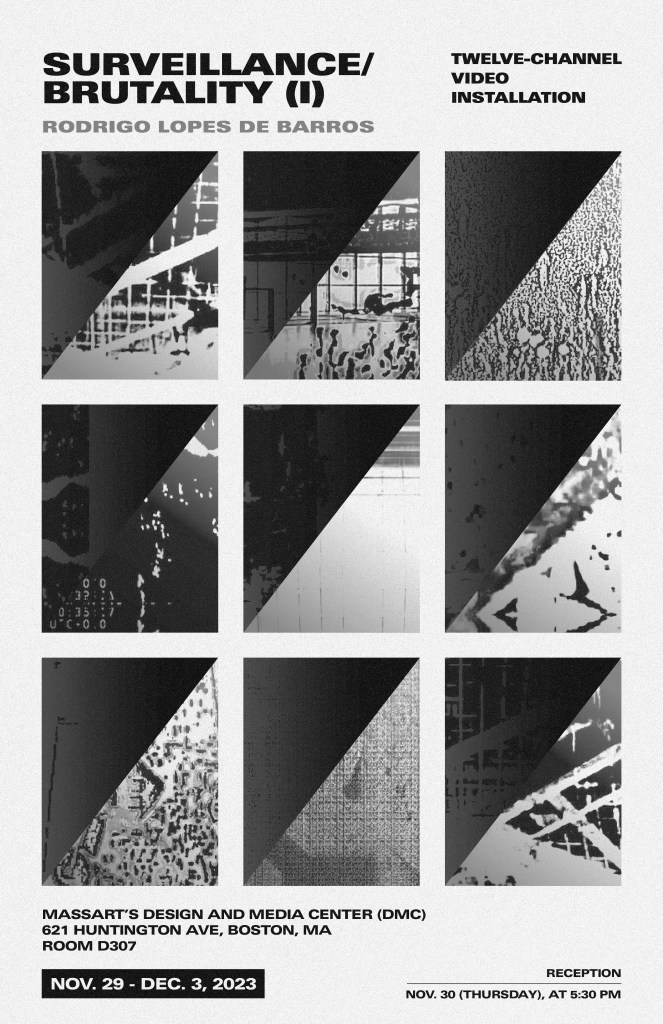
Poster Designed by Renato Wilmers
(Full Resolution PDF)
Solo Exhibitions
Massachusetts College of Art and Design
Design and Media Center (DMC)
Room D307
621 Huntington Ave, Boston, MA
Nov. 29 – Dec. 3, 2023
(PDF of the Guest Book)
More Photos of the Installation Running
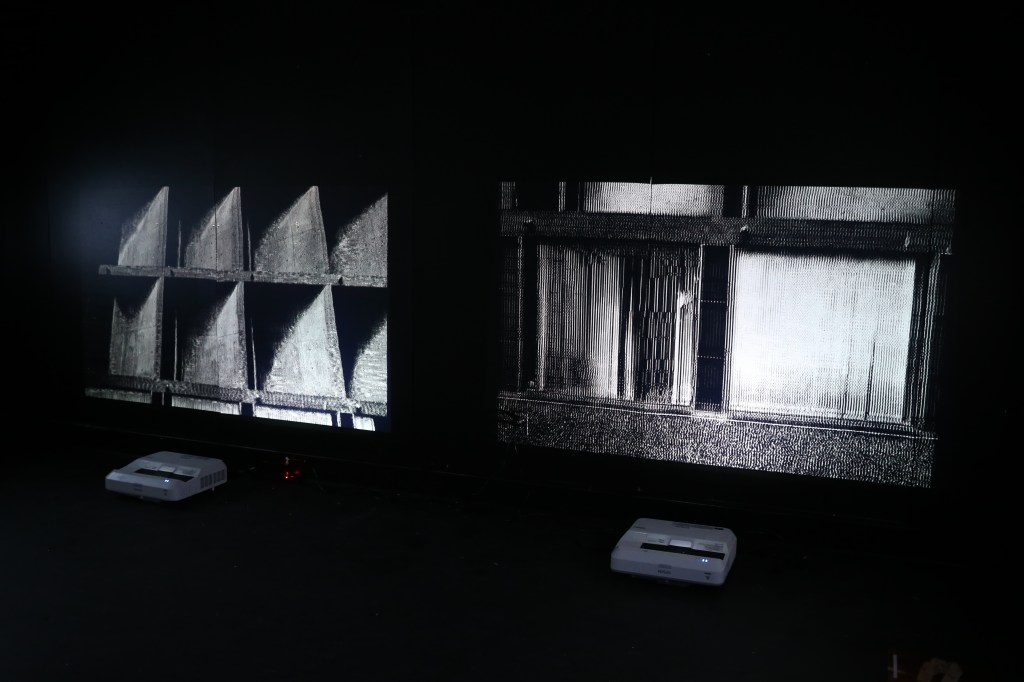
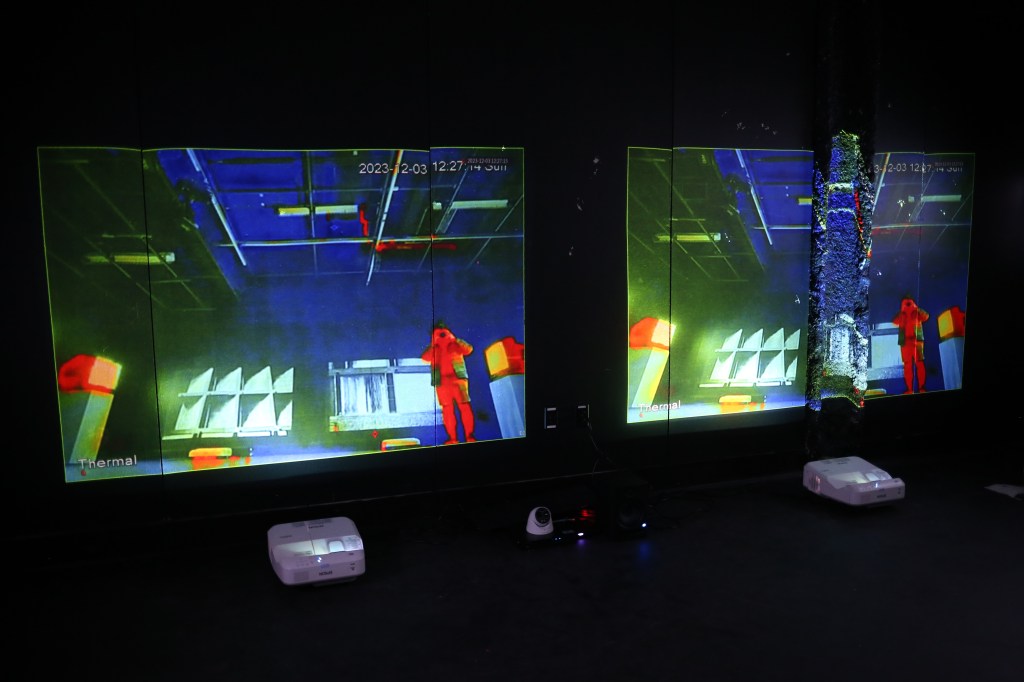



Stills of All Channels




More Videos of the Installation Running
Surveillance/Brutality (I) – 360-degree Vertical Pan Video of the Installation Running (2023) – 50-minute excerpt (Alternative Youtube Link)
—
Surveillance/Brutality (I) – Close-up Video of the Installation Running (2023) – 5-minute excerpt (Alternative Youtube Link)
Download Full-Resolution, Original and Archived Video, Image, and PDF Files
 Rodrigo Lopes de Barros